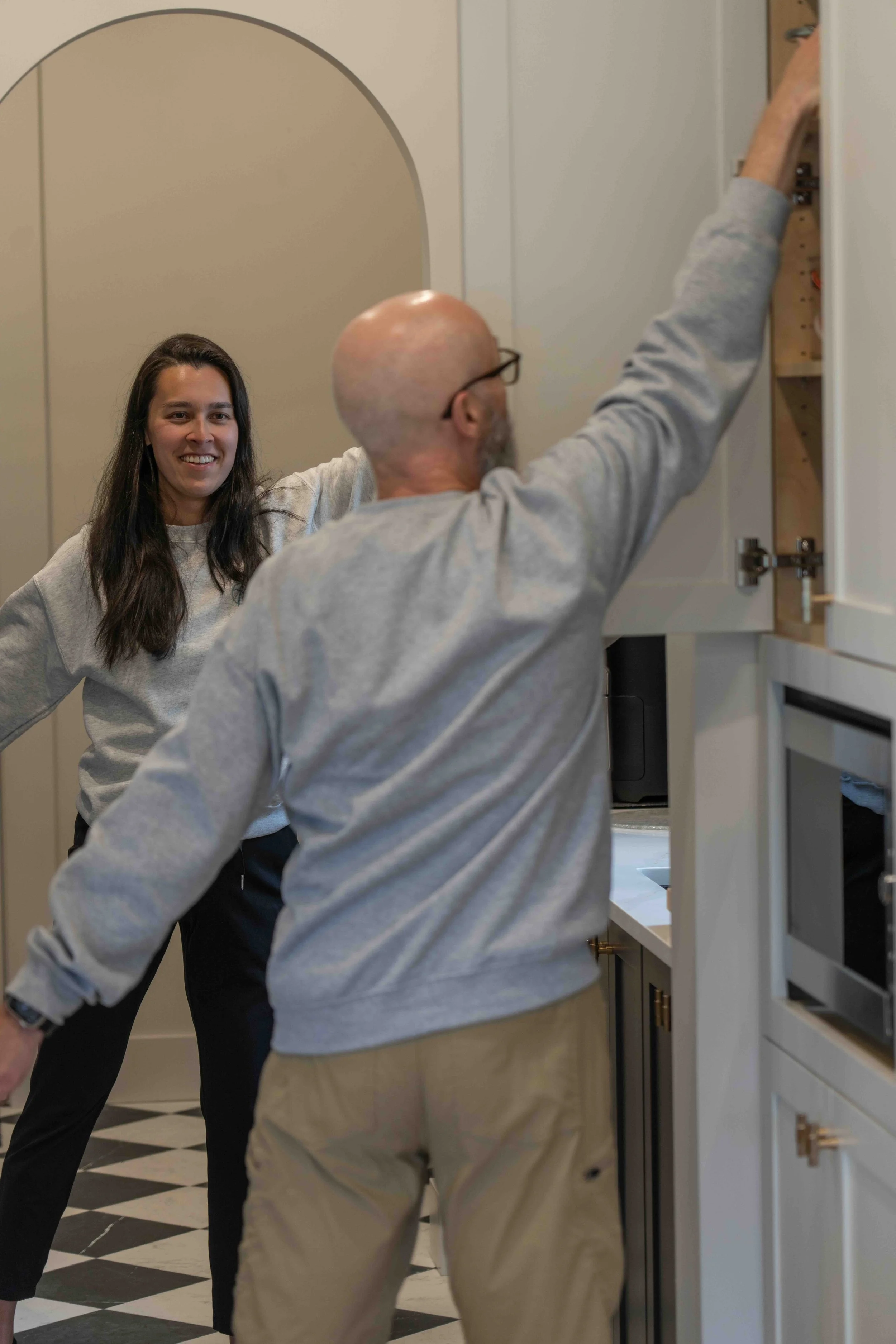
Parkinson's Wellness Recovery (PWR!): An Exercise-First Approach to Parkinson's Therapy
What the research is increasingly clear about is this: exercise is not a supplement to Parkinson's treatment. It is treatment. And not just any exercise. Targeted, intensive, Parkinson's-specific exercise that works with the brain, not around it.
That's the foundation of Parkinson Wellness Recovery (PWR!), the approach our physiotherapists at Pivotal Movement are certified to deliver. This post walks you through what PWR! is, what makes it different, and what it looks like in practice when we bring it into your home.
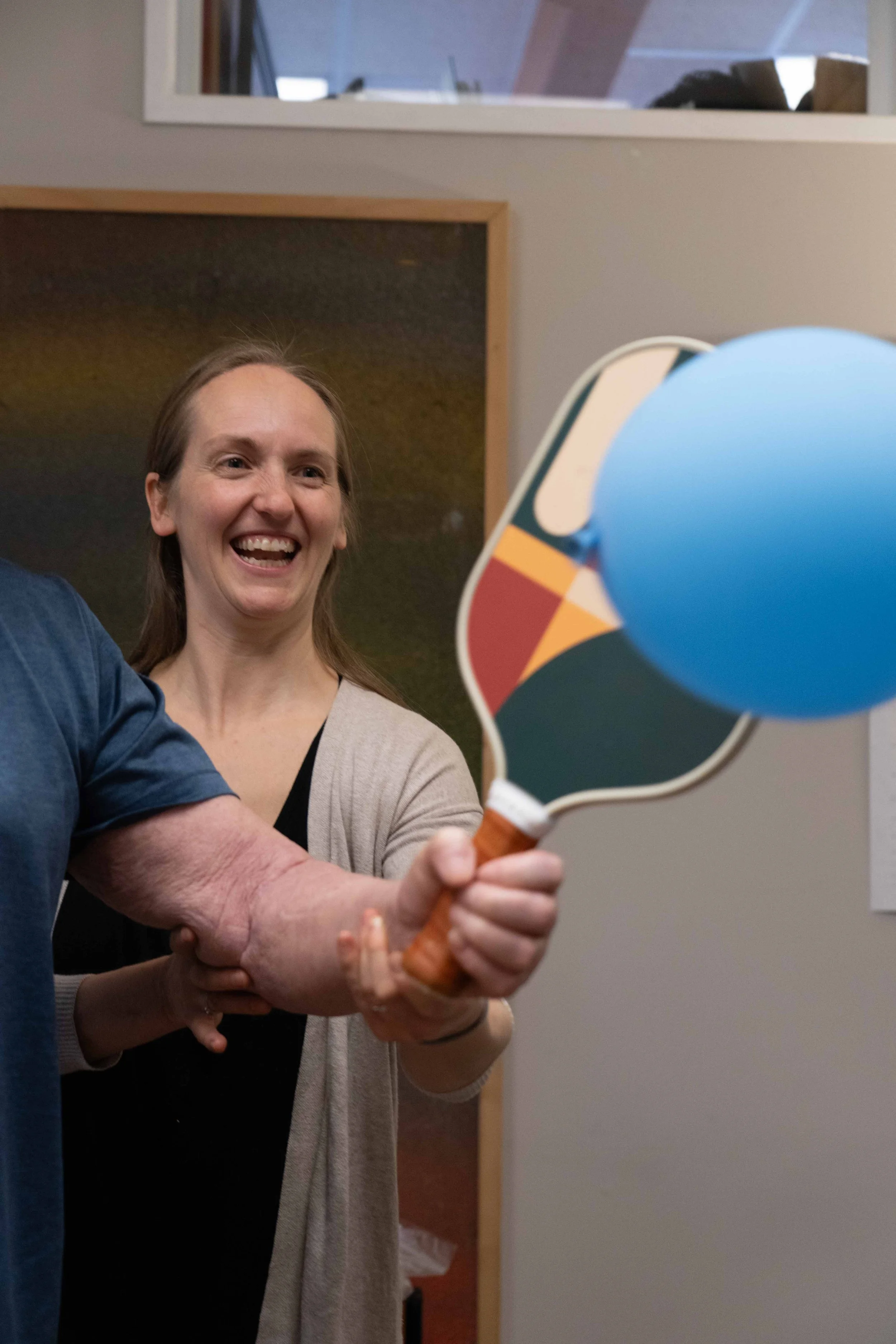
What is Neurological Physiotherapy?
If you've recently been diagnosed with a neurological condition, or you're supporting someone who has, you've probably come across the term neurological physiotherapy and wondered what actually separates it from typical physio.
The short answer: quite a lot. And understanding the difference matters when you're trying to figure out what kind of support will actually help.
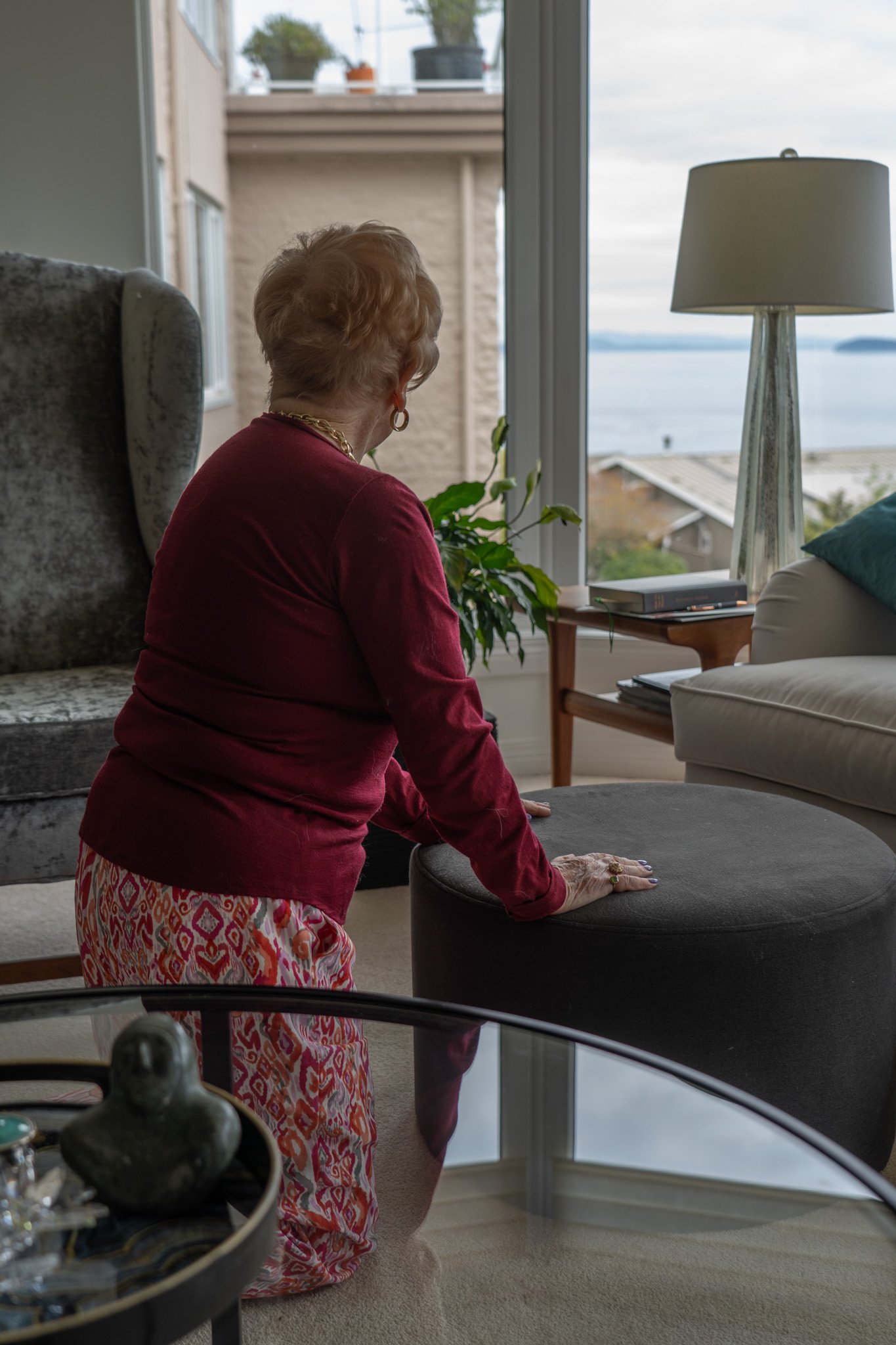
Falls Aren't Inevitable: How Physiotherapy Can Help
Falls are the leading cause of injury in adults over 65 in Canada. One in three older adults falls each year, and the consequences can be serious: fractures, hospital stays, and a loss of confidence that quietly changes how people move through the world.
But falls aren't just bad luck. Most have identifiable, treatable causes. And physiotherapy can do a lot to help prevent one before it happens.

Why Balance Training Belongs in Your Routine
Balance is one of those things most people don't think about until something goes wrong. A stumble on uneven ground, a near-miss stepping off a curb, a moment of dizziness getting up too fast. It feels automatic, until it doesn't.
The good news is that balance is trainable. Like strength or flexibility, it responds to practice. Balance training done well, with proper guidance, builds a foundation that carries into everything else you do. If balance has been on your radar, or if it probably should be and hasn't been yet, it's worth having an assessment. Most people are surprised by what a bit of targeted work can do in a short time.
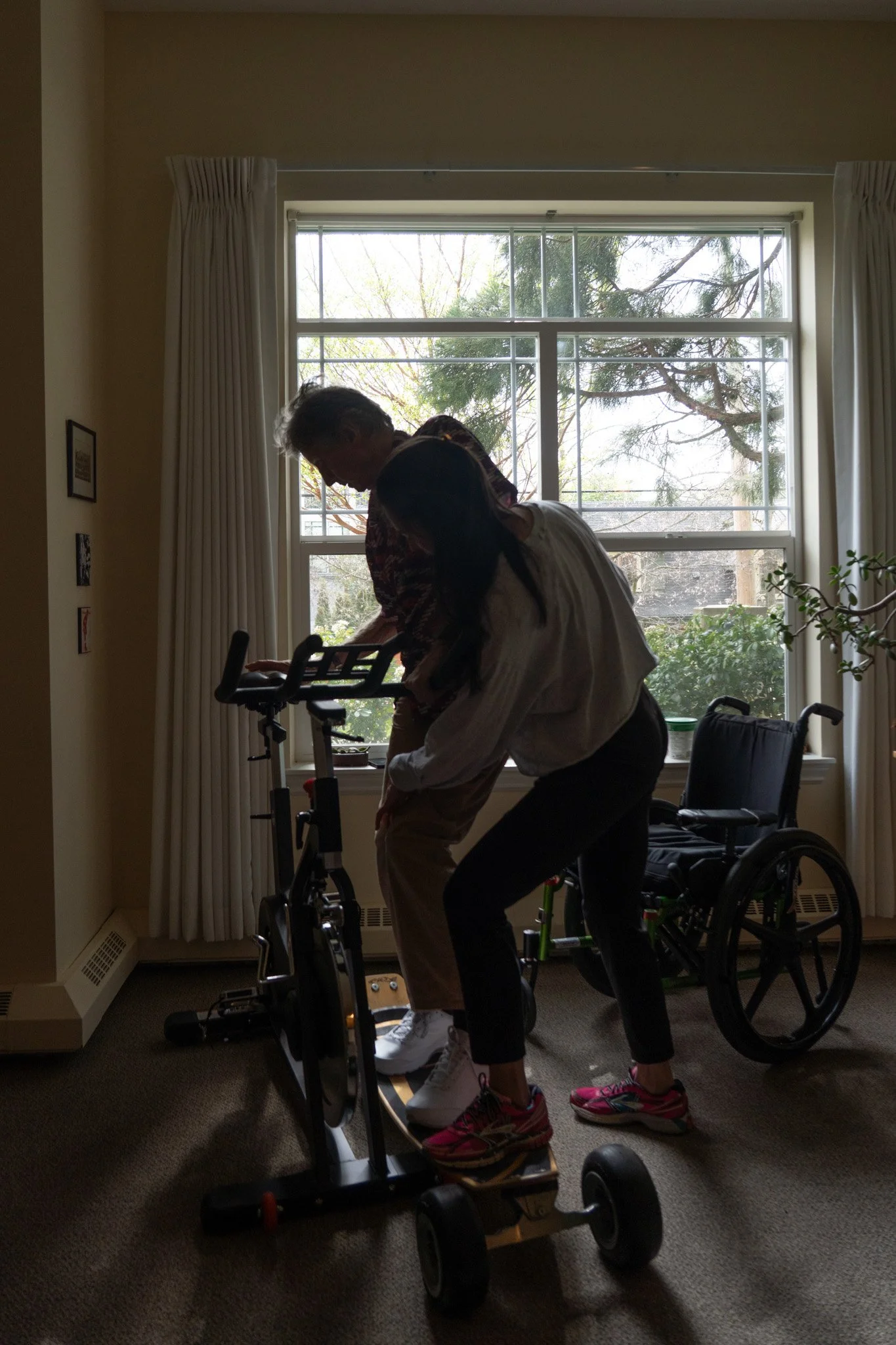
Neuroplasticity: What it is and Why It’s at the Heart of Your Recovery
One of the first things we talk about with new clients at Pivotal Movement is neuroplasticity. Not because it's a buzzword, but because understanding it genuinely changes how people approach their own recovery.
When you understand that your brain has the capacity to reorganize, adapt, and form new connections, recovery stops feeling like a fixed destination and starts feeling like an ongoing process with real possibility. That shift in perspective matters enormously.
Let's get into it: what neuroplasticity actually is, what the science says about how to make the most of it, and what that means for you day to day.
Understanding the NDT Approach: A Framework for Neurological Rehabilitation
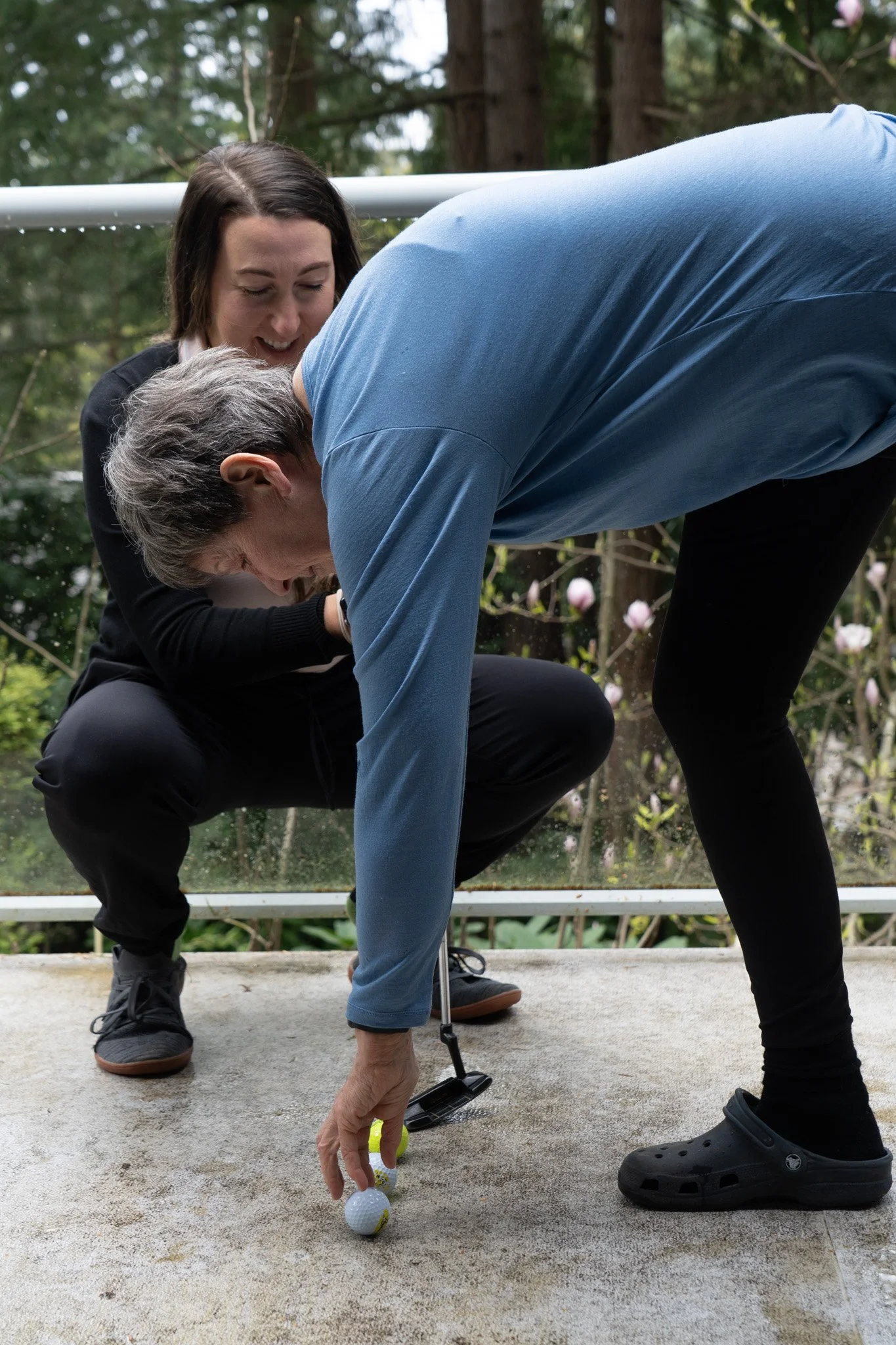
If you've been exploring options for neurological rehabilitation, whether after a stroke, brain injury, or another neurological diagnosis, you may have come across the term NDT, or Neurodevelopmental Treatment. It's an approach we use at Pivotal Movement Rehabilitation, and one we believe in deeply.
This post gives you a thorough look at what NDT actually is, where it comes from, and what its core principles mean in practice. Because we think informed clients make the best partners in rehabilitation.
Stroke Rehab at home: How the NDT Approach Can Support Your Recovery
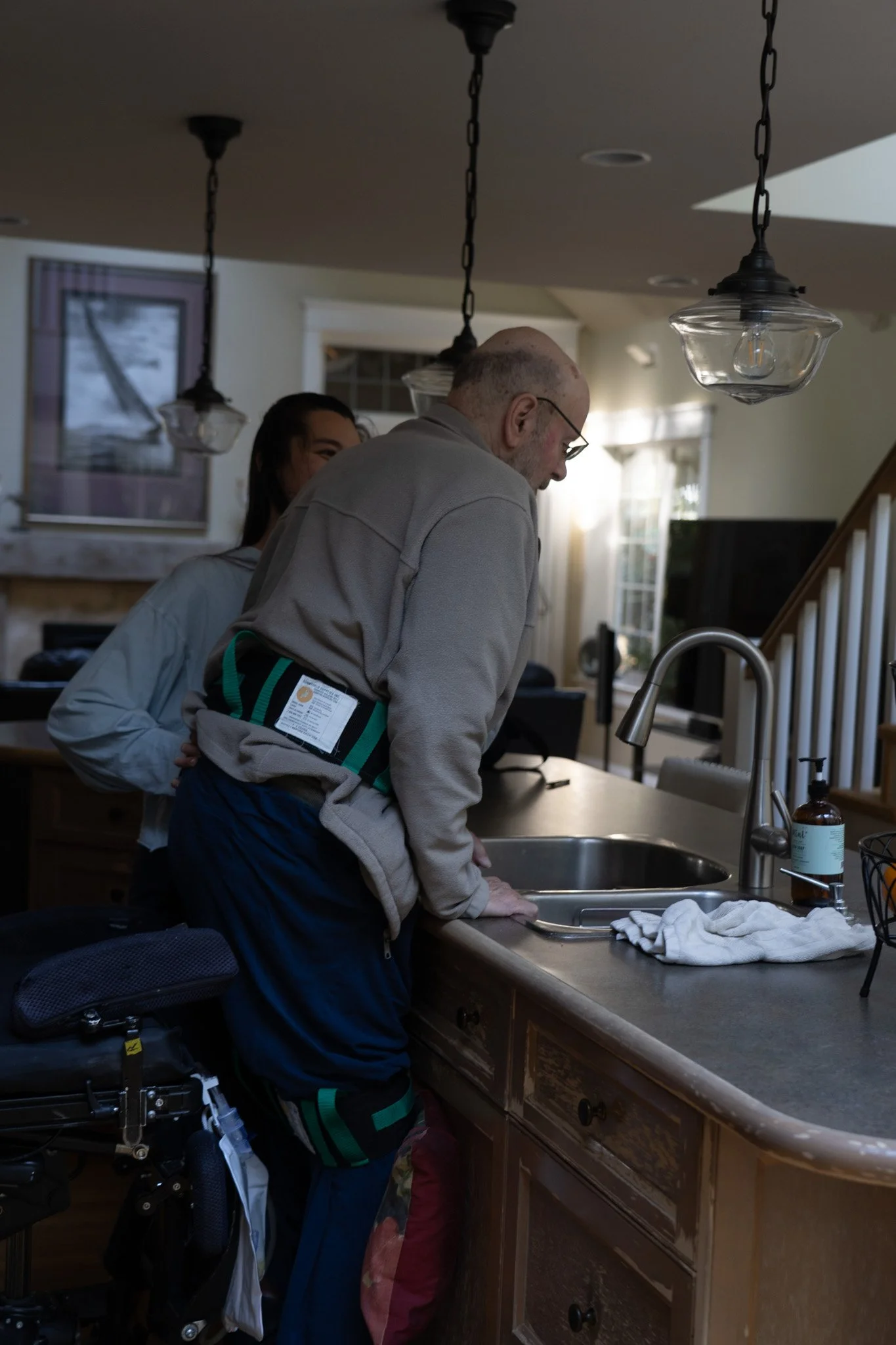
Recovery after a stroke doesn't happen only in a clinic. It happens in your kitchen, your bedroom, your backyard, and every ordinary moment in between. That's exactly why bringing rehabilitation into your home can be so powerful. At Pivotal Movement Rehabilitation, we use the Neurodevelopmental Treatment (NDT) approach as a core framework for stroke rehab, and it translates well into the home setting.
Whether you're newly home from hospital or you're months (or years) post-stroke, this post will walk you through what NDT-informed home rehab looks like and why it can make a real difference in your recovery.

why In-Home physiotherapy IS BENEFICIAL for Neurological Rehab
If you or someone you love is navigating recovery after a stroke, brain injury, or other neurological diagnosis, you've probably wondered: does it matter where physiotherapy happens?
The short answer is yes, it matters quite a bit. And for neurological rehab specifically, there are some compelling reasons why bringing physiotherapy into your home often produces better outcomes than a clinic setting alone.