treatment modalities
We utilize a variety of equipment and modalities as an adjunct to our treatment sessions. Learn more about these tools below.
-
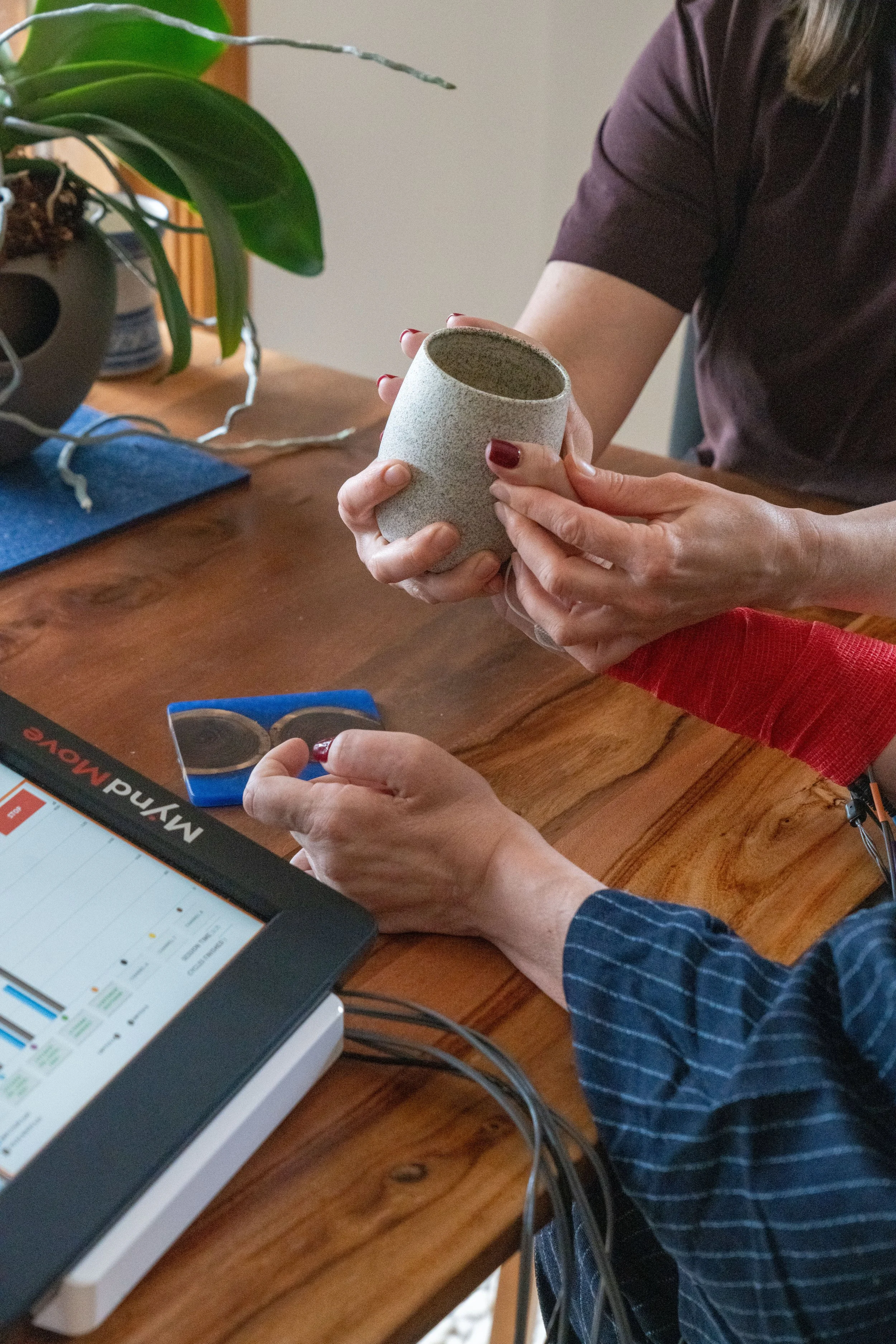
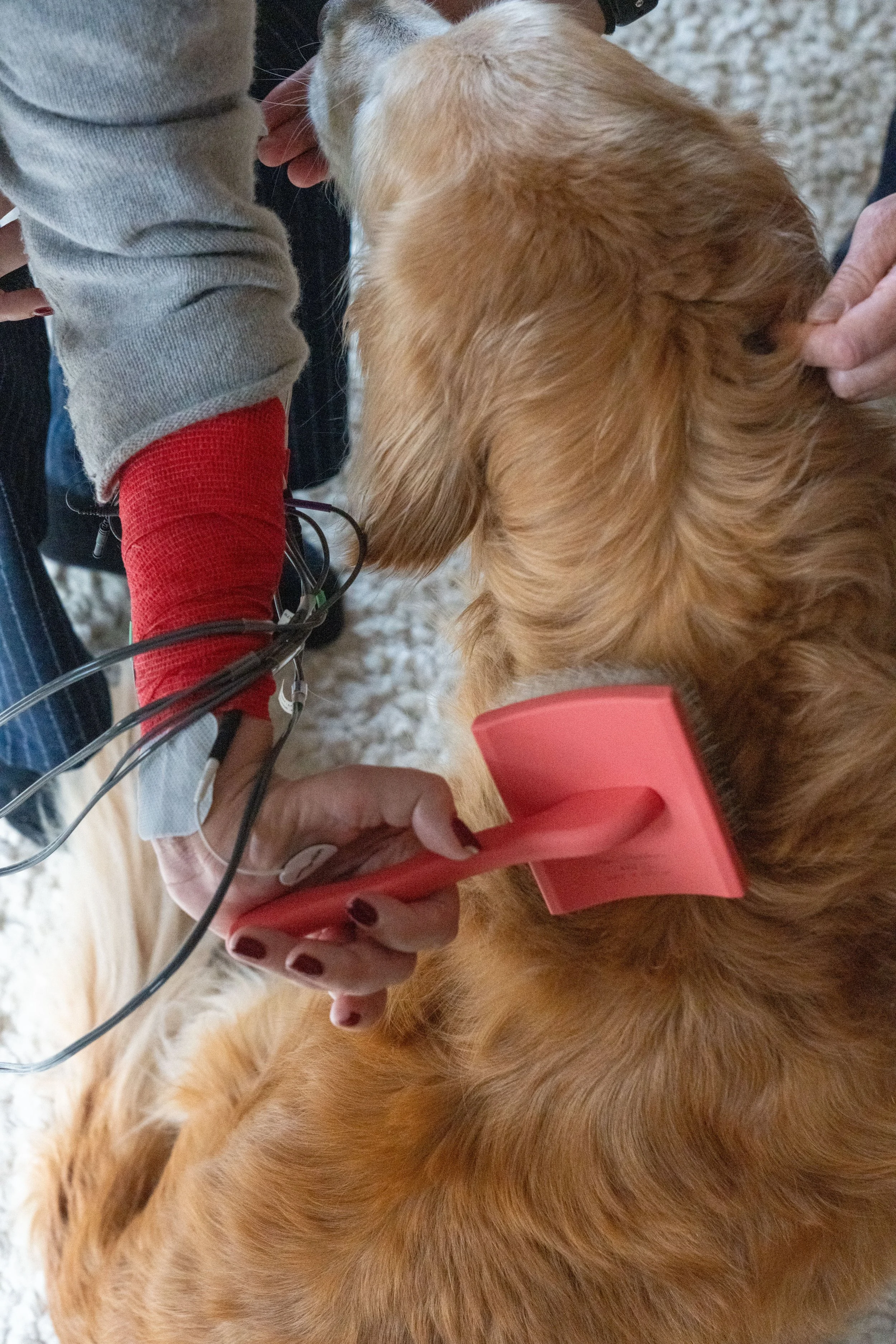
MyndMove is a non-invasive Functional Electrical Stimulation (FES) device (created by MyndTec) designed to improve voluntary arm and hand function in patients with upper-limb paralysis, including those recovering from stroke or spinal cord injury (SCI). MyndMove therapy uses surface electrodes placed over targeted muscles to deliver controlled electrical stimulation while you actively attempt functional movements such as grasping, reaching, or pinching. Click here to learn more.
-
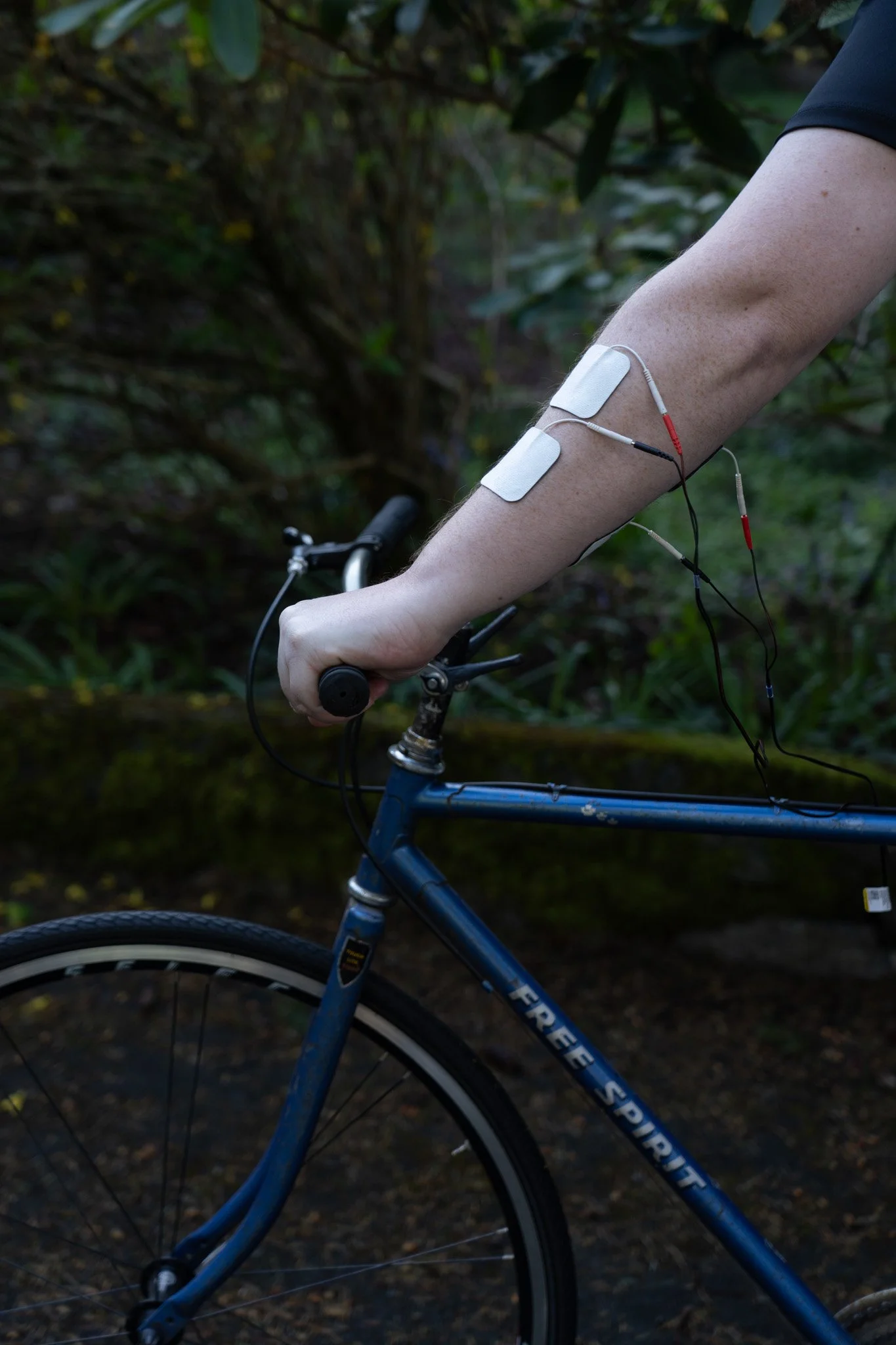
Electrical Muscle Stimulation (EMS) is a therapeutic technique used in physiotherapy to support muscle activation, strength, and recovery. It involves the use of small electrical impulses delivered through surface electrodes placed on the skin, which stimulate targeted muscles to contract. This can be especially beneficial when muscles are weak, inhibited, or not activating effectively due to injury, surgery, or neurological conditions.
EMS is commonly used to help re-educate muscles, improve circulation, reduce muscle atrophy, and support the early stages of rehabilitation when voluntary movement may be limited. It can also enhance strength training by assisting muscle contractions during specific exercises, making it a valuable tool in both recovery and performance-focused care.
Talk to your therapist about whether the use of EMS would be beneficial to your care
-
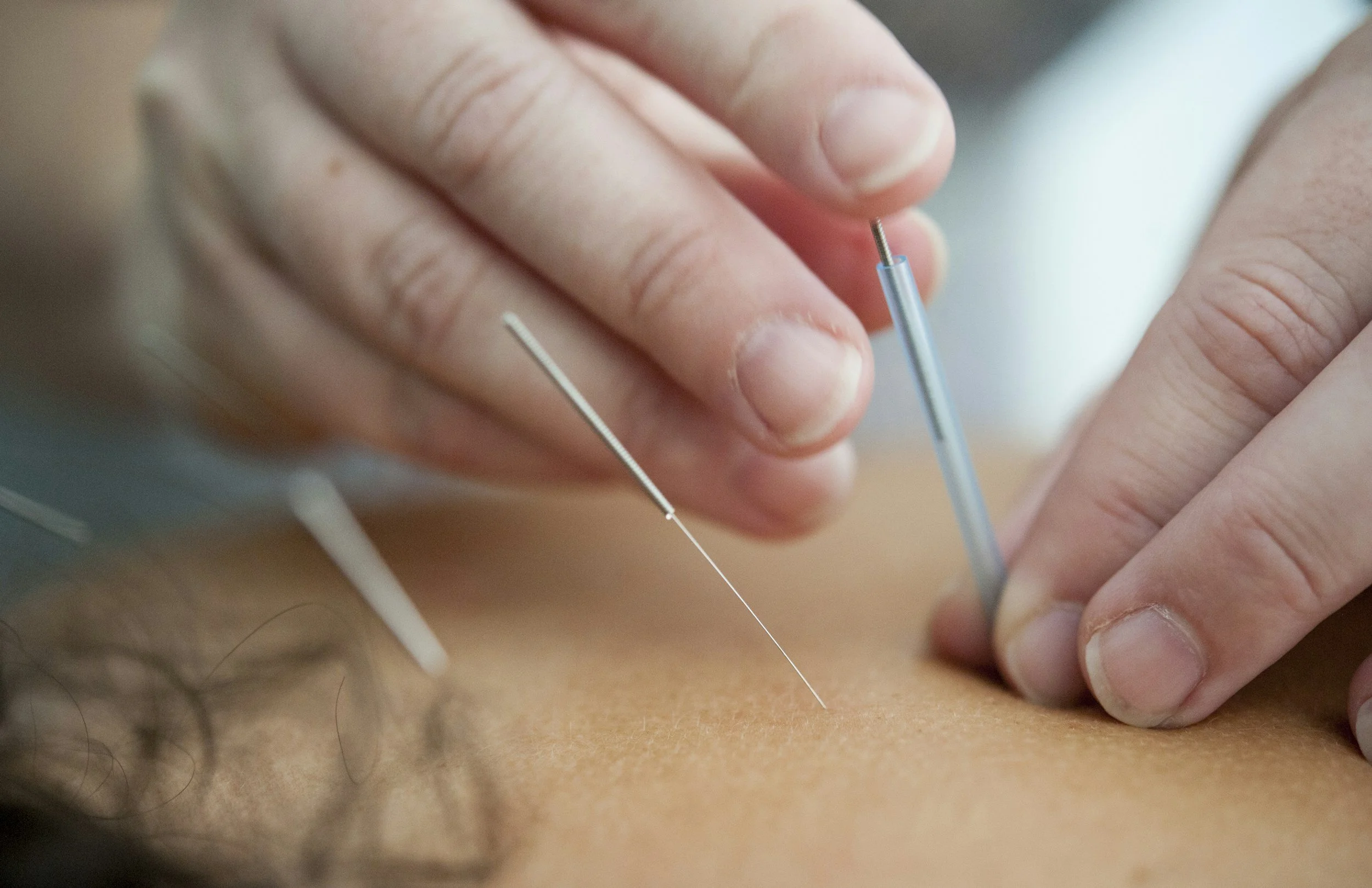
Functional dry needling is a form of intramuscular stimulation (IMS). It involves inserting a tiny monofilament needle in a muscle or muscles in order to release shorted bands of muscles and decrease trigger point activity. This can act as a reset for the nervous system and can help resolve pain, muscle tension and promote healing.
Functional dry needling and acupuncture are often applied as a useful adjunct to therapy sessions, used in combination with manual therapy, functional movement retraining and exercise prescription to help achieve your rehabilitation goals.
-
Acupuncture is a form of dry needling that stimulates the balance and flow of Qi energy that in Traditional Chinese Medicine (TCM) is considered essential to health. Acupuncture stimulates the release of endorphins- the body's natural pain relieving neurohormones through the insertion of monofilament needles into specific anatomical points (known as acupuncture points) to encourage natural healing.
Pivotal Movement offers a form of acupuncture called Anatomical Acupuncture. This was originated by Dr. Joseph Wong in the mid 1970s and bridges the gap between TCM and Western medicine. The acupoints are chosen based on anatomy and physiology. Therapeutic effects may include pain relief, improved function, increased energy and improved mood.
-
Manual therapy is a hands-on approach used by your physiotherapists to assess, diagnose, and treat musculoskeletal pain and movement restrictions. It involves skilled techniques applied to joints, muscles, and soft tissues to help restore mobility, reduce pain, and improve overall function.
Common manual therapy techniques include joint mobilization and manipulation, soft tissue massage, stretching, and myofascial release. These methods are tailored to each individual and each condition, ensuring treatment is both safe and effective based on your specific goals.
Manual therapy is often used to treat conditions such as back and neck pain, sports injuries, joint stiffness, and post-surgical rehabilitation. It can also enhance recovery when combined with exercise therapy and education, helping you move better and prevent future injury.
Your therapist will let you know if manual therapy will be helpful for your current condition.
-
All of our clinicians have received certifications and have completed advanced courses for Neurodevelopmental Treatment. We utilize this framework to inform all of our assessments and treatment plans. See below for more details.
the neuro-developmental treatment (NDT) approach
Problem Solving Approach
NDT is a problem solving approach, which involves the treatment and management of movement dysfunction.
Definition below summarized from the Neuro-Developmental Treatment Association. (NDTA)
Individualized Treatment
The person is addressed as a whole and intervention is individualized to meet the specific goals of that person.
Interactive Treatment Sessions
Treatment involves active participation of the individual, direct handling to optimize function with gradual withdrawal of direct input by the therapist.
Enhancement of Function
The overall goal of treatment and management is the enhancement of the individual’s capacity to function.