Parkinson's Wellness Recovery (PWR!): An Exercise-First Approach to Parkinson's Therapy
Parkinson's disease is progressive. That's a hard fact to sit with, and it shapes how a lot of people approach their diagnosis. But it doesn't tell the whole story.
What the research is increasingly clear about is this: exercise is not a supplement to Parkinson's treatment. It is treatment. And not just any exercise. Targeted, intensive, Parkinson's-specific exercise that works with the brain, not around it.
That's the foundation of Parkinson Wellness Recovery (PWR!), the approach our physiotherapists at Pivotal Movement are certified to deliver. This post walks you through what PWR! is, what makes it different, and what it looks like in practice when we bring it into your home.
What Is PWR!?
PWR! was developed by Dr. Becky Farley, a neuroscientist and physical therapist who spent years researching how exercise affects the Parkinson's brain. Her earlier work helped establish the LSVT BIG program. PWR! grew out of that foundation as a broader, more flexible, and more deeply neuroplasticity-focused approach.
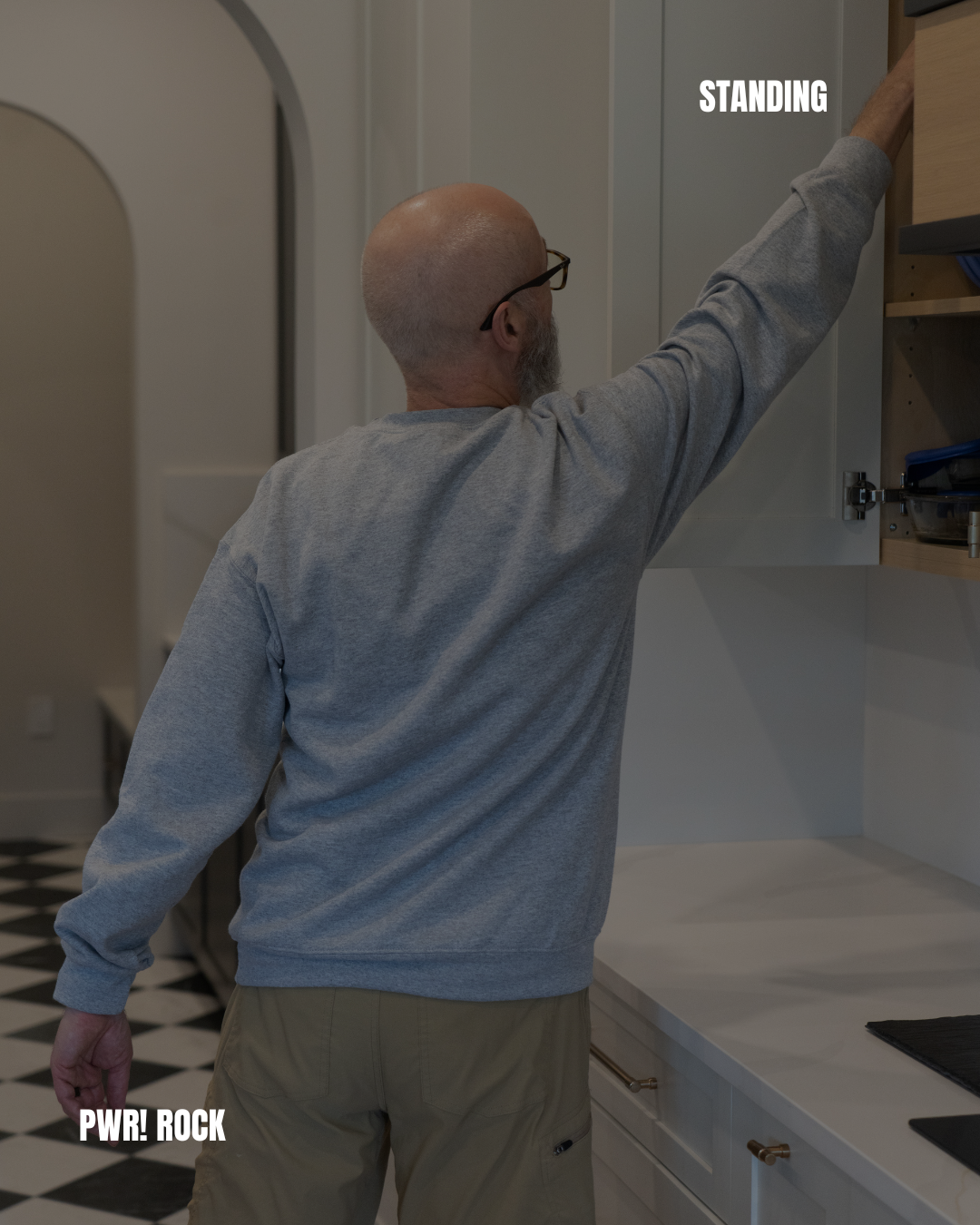
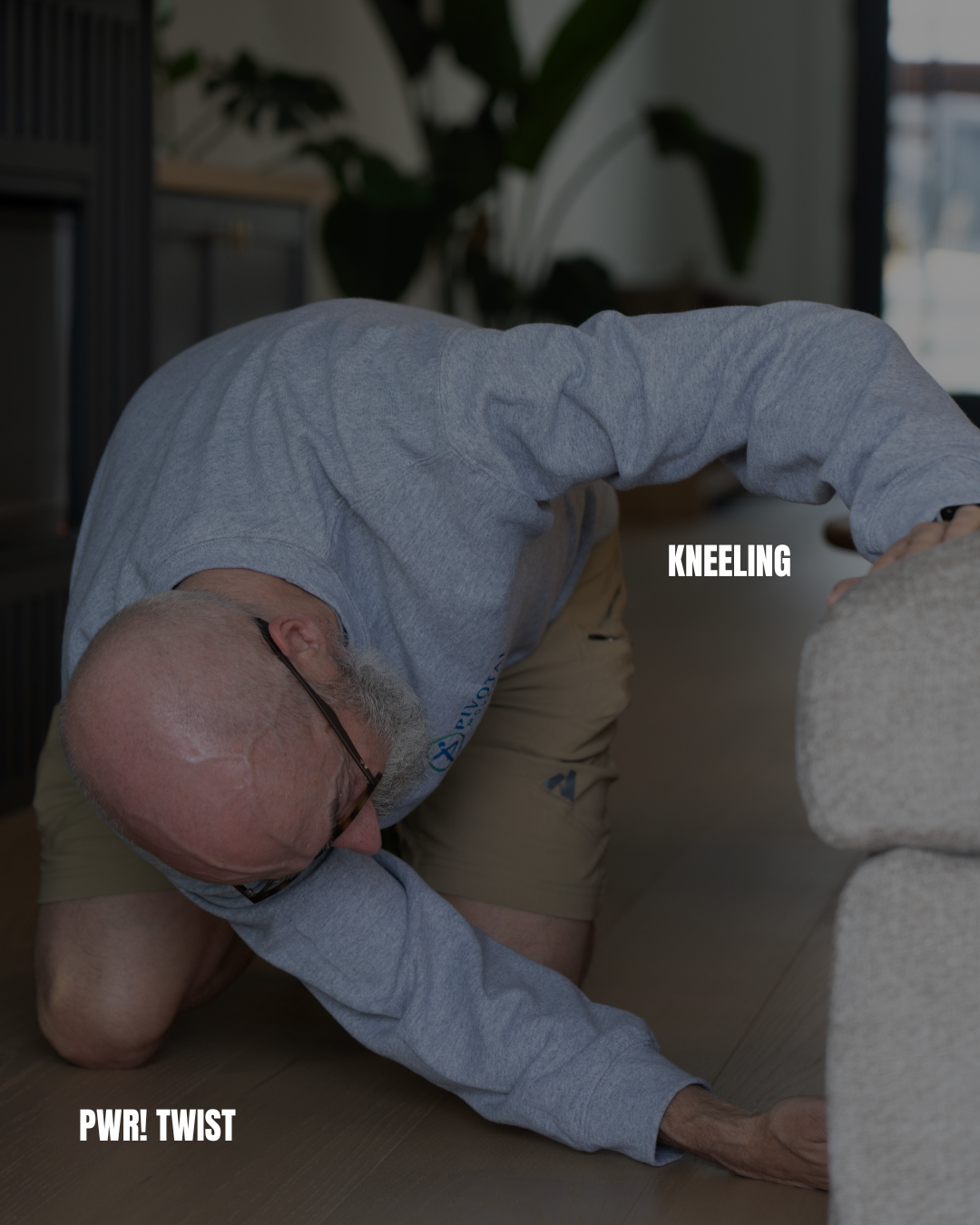
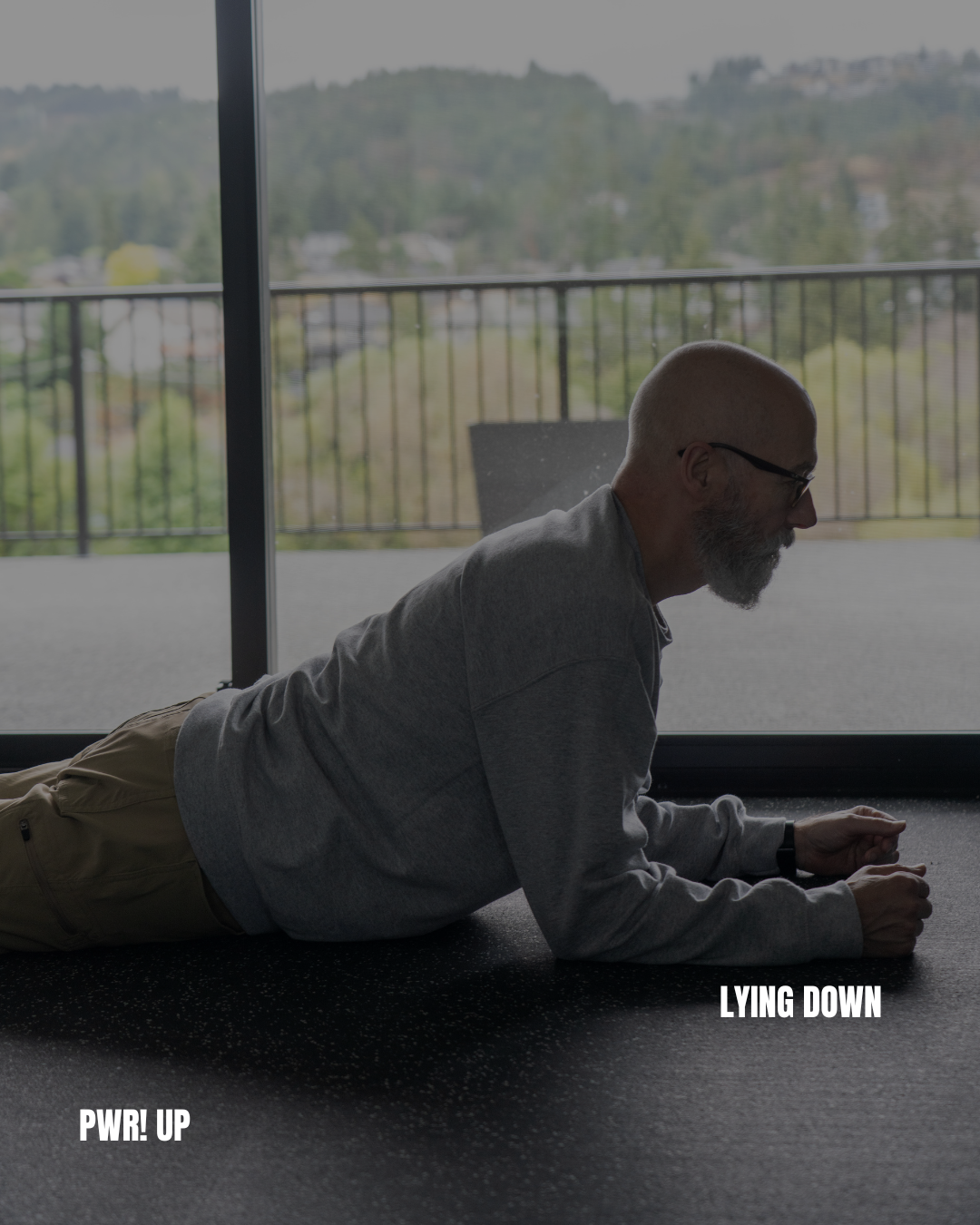
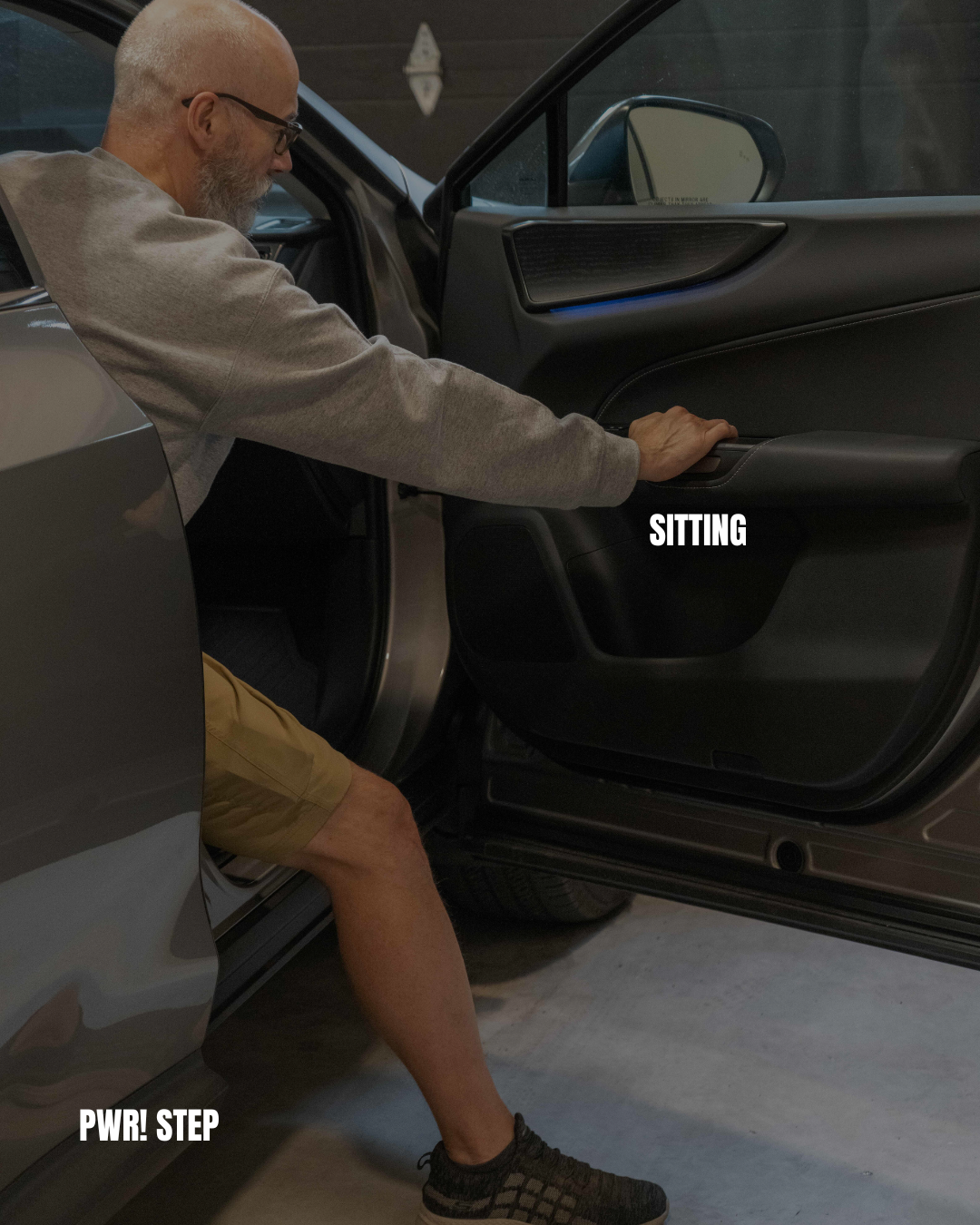
At the centre of the PWR! framework are four core movements, called the PWR!Moves. These aren't arbitrary exercises. Each one targets a specific motor skill that tends to decline with Parkinson's disease: the ability to shift weight, rotate the trunk, reach with amplitude, and transition between positions. Together, they address the movement deficits that most directly affect daily life.
The PWR!Moves can be practised in many positions, standing, sitting, on hands and knees, or lying down, and can be scaled from early to advanced stages of the disease. The same movement principles apply whether you're newly diagnosed or have been living with Parkinson's for years.
Why Exercise Works Differently for Parkinson's
Parkinson's disease affects the dopaminergic system, the part of the brain involved in initiating and regulating movement. The characteristic symptoms, tremor, rigidity, slowness of movement (bradykinesia), and postural instability, all trace back to disruptions in this system.
What the research shows is that certain kinds of exercise can have a neuroprotective effect, meaning they may slow the progression of the disease itself, not just manage its symptoms. Intensive, amplitude-based exercise that requires the brain to actively recruit movement appears to support neuroplasticity and help maintain the neural pathways involved in motor control.
This is the science behind PWR!. The program is designed to be neurologically active, not just physically active. It asks the brain to work.
If you want to go deeper on how neuroplasticity underpins this kind of recovery, read our post on Neuroplasticity: What It Is and Why It's at the Heart of Your Recovery.
The Core Principles of PWR!
Amplitude training
One of the key features of Parkinson's movement is that it gets smaller over time. Steps get shorter. Handwriting shrinks. Movements become subtle and effortful. PWR! directly counters this by training for amplitude, size of movement. Clients practise making movements deliberately bigger than feels natural, and over time, larger movement becomes more accessible.
High intensity
Research supports the idea that high-effort exercise drives more neuroplastic change than low-effort exercise. PWR! isn't gentle stretching. It asks people to push toward their capacity, within safe limits, because that challenge is part of what makes the exercise effective.
Whole-body and functional focus
The four PWR!Moves are chosen because they underlie the movements people actually need in daily life: turning to look behind you, getting up from a chair, reaching across your body, shifting your weight while walking. Training these patterns in therapy means training what matters in real life.
Cognitive engagement
Parkinson's affects cognition as well as movement, and the two are closely linked. PWR! exercises are designed to be cognitively engaging, requiring attention, sequencing, and active mental participation. The goal is to challenge the whole system, not just the muscles.
Neuroplasticity as the guiding framework
PWR! is built on the same neuroplasticity principles that underpin good neurological rehabilitation more broadly: specificity, repetition, intensity, salience, and real-world context. For more on those principles, see our neuroplasticity post.
What PWR! Certification Involves
Our physiotherapists don't simply draw on PWR! concepts. They are formally trained and certified in the approach. PWR! certification for therapists involves completing a multi-day in-depth training in PD-specific movement science, the PWR!Moves and their clinical application, and how to adapt the approach across different stages and symptom profiles of Parkinson's disease. Recertification is required on an ongoing basis, keeping practice grounded in current evidence.
That matters, because Parkinson's is a complex condition and the quality of the therapeutic relationship and clinical skill involved in delivering this kind of work makes a real difference to outcomes.
How We Use PWR! in Home-Based Physiotherapy
At Pivotal Movement, we deliver physiotherapy in your home, your garden, your neighbourhood. That setting isn't incidental to the PWR! approach. It's part of why it works.
Here's what PWR!-informed home physiotherapy looks like in practice:
1. Assessment of your specific symptom picture
Parkinson's presents differently in every person. Some people are primarily affected by rigidity and slowness. Others struggle more with balance, freezing of gait, or postural changes. Your physiotherapist starts by understanding your movement in your environment, watching how you get up from your chair, move through your kitchen, manage your front step.
2. Goal-led sessions from the start
What do you want to be able to keep doing? Walking to the corner shop. Gardening. Cooking without fatigue. PWR! works best when it's tied to what matters to you, because motivation and salience are themselves neurologically active ingredients.
3. The PWR!Moves applied to your life
Your physiotherapist integrates the four core movements into activities you're already doing. A trunk rotation might be practised while reaching for items in your pantry. A weight shift might be woven into how you approach getting dressed. The exercise becomes part of your routine, not something added on top of it.
4. Amplitude cues and feedback
One of the most practical things a PWR!-trained therapist does is help you recalibrate your sense of movement size. Because Parkinson's makes small movements feel normal, people often don't realize how much movement has decreased. Your physio provides real-time feedback and amplitude cues to help you practise moving bigger, and to feel what that's like.
5. A home program you'll actually use
Between sessions, repetition is where neuroplastic change compounds. Your physiotherapist will build a home program around your daily routine, things that fit into how your day already flows, rather than a set of exercises that require a separate block of time you may not have.
Who Is PWR! For?
PWR! is designed specifically for people with Parkinson's disease, at any stage. It's not a program that requires a particular level of fitness or mobility to begin. The movements can be adapted for early, middle, and later stages of the disease, and for a wide range of symptom profiles.
It's a particularly strong fit for people who:
• Have been recently diagnosed and want to get ahead of progression
• Have noticed their movement getting smaller or slower and want to address it directly
• Are experiencing balance difficulties or freezing of gait
• Have tried general physiotherapy but felt it wasn't specific enough to Parkinson's
• Want their therapy to happen in the context of their real life and daily routines
• Are years post-diagnosis and want to know what's still possible
Parkinson's Doesn't Progress in a Straight Line
One thing people often find surprising is how much variability there is in Parkinson's, from person to person and even day to day for the same person. Good days and hard days don't mean you've taken a step backward or forward. They're part of the nature of the condition.
What consistent, targeted exercise does is shift the overall trajectory. It doesn't erase symptoms, but it can meaningfully slow their progression, preserve mobility and independence longer, and contribute to better quality of life across the course of the disease.
That's not a small thing. For most people, what they most want is to stay in control of their own life, to keep doing the things that matter to them for as long as possible. PWR!-informed physiotherapy is one of the most evidence-supported tools we have for that goal.
Ready to Talk?
At Pivotal Movement Rehabilitation, our physiotherapists bring PWR!-certified Parkinson's therapy into your home and community across Greater Victoria and the Cowichan Valley. We think rehabilitation works best when it happens in the spaces that are already yours.
If you or someone you love is living with Parkinson's and wondering what targeted, Parkinson's-specific physiotherapy could look like, we'd love to connect.
Get in touch with the Pivotal Movement team here →
Want to keep reading? Check out our related posts:
Neuroplasticity: What It Is and Why It's at the Heart of Your Recovery
Understanding the NDT Approach: A Framework for Neurological Rehabilitation
Pivotal Movement Rehabilitation offers mobile neurological and orthopaedic physiotherapy in Victoria, Saanich, Westshore, Sidney, Cobble Hill, and surrounding areas. Direct billing available.